Olive Skin Undertones Explained
Olive skin tones often confuse undertone tests. Here's how to identify whether your olive skin is warm, cool or neutral — and how to dress and make-up to suit.
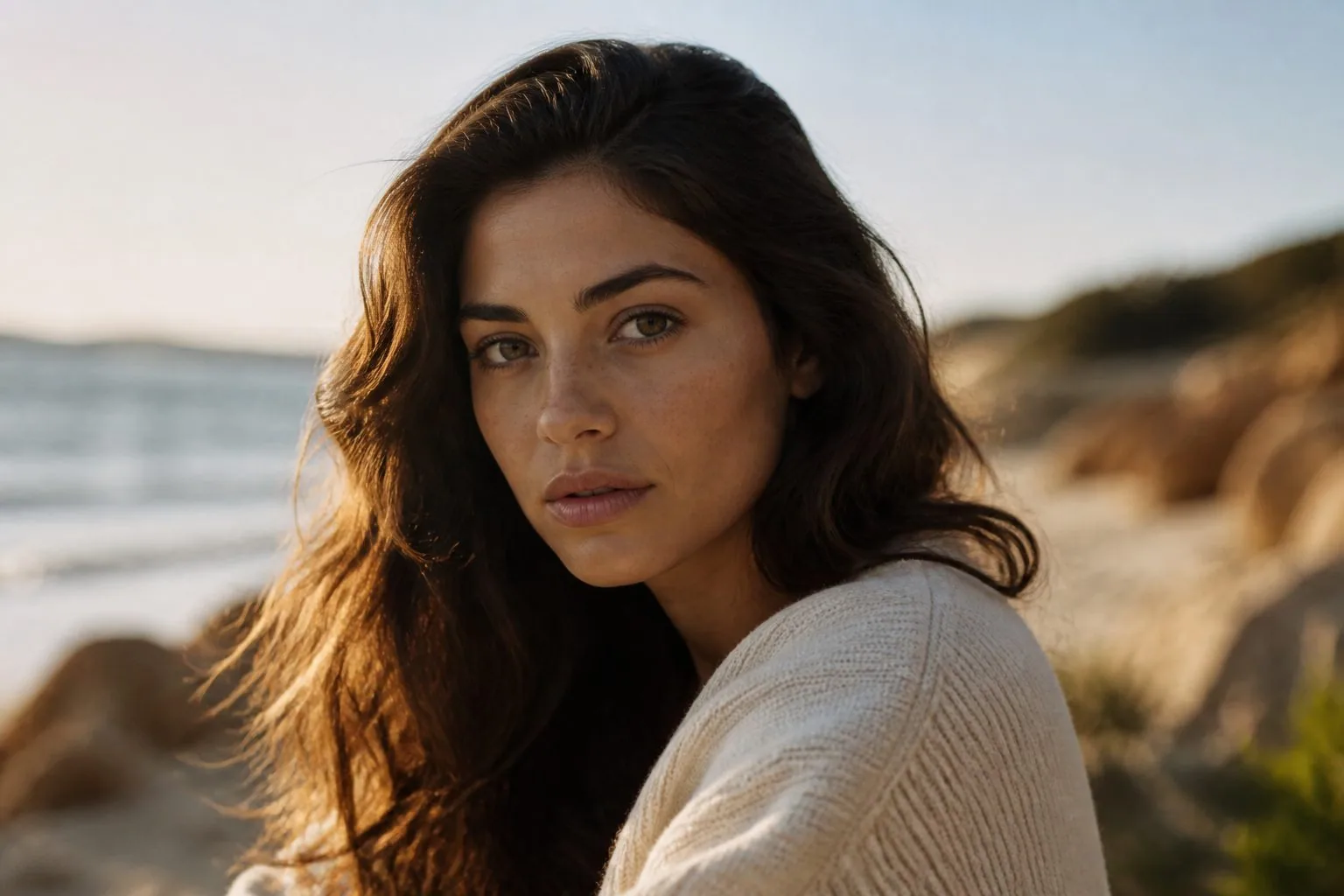
Olive skin is the most misclassified undertone in colour analysis. The greenish surface cast tricks tests — here's how to read past it.
Why olive skin confuses tests
The greenish cast comes from melanin distribution, not from your underlying undertone. Olive skin can sit anywhere on the warm–cool spectrum.
Warm olive signs
- Gold flatters; silver greys you out
- Hair has golden, copper or red highlights
- Eyes are warm hazel, amber or chocolate
Cool olive signs
- Silver flatters; gold reads yellow
- Hair has ashy or blue-black tones
- Eyes are cool grey, blue-green or icy hazel
Neutral olive signs
Both metals work, both white and cream are fine — neutral olive is probably the most common olive variant in Perth.
Foundation matching for olive skin
Avoid pink-based foundations — they read grey or ashy. Choose neutral or warm yellow-undertone bases (Y or N codes).
Frequently asked questions
Are Mediterranean and olive the same?
Mediterranean is a heritage descriptor; olive is the surface cast. You can have olive skin without Mediterranean heritage and vice versa.
Should olive skin avoid pastels?
Not necessarily — soft warm pastels (peach, sage) often flatter beautifully.
Ready to discover your palette?
Book your personal colour analysis or makeup session with Sue in Currambine or across the Perth metro area.